
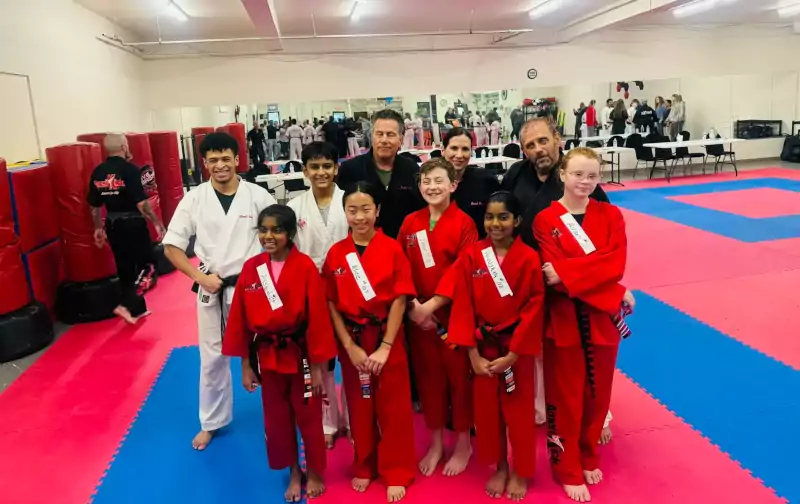
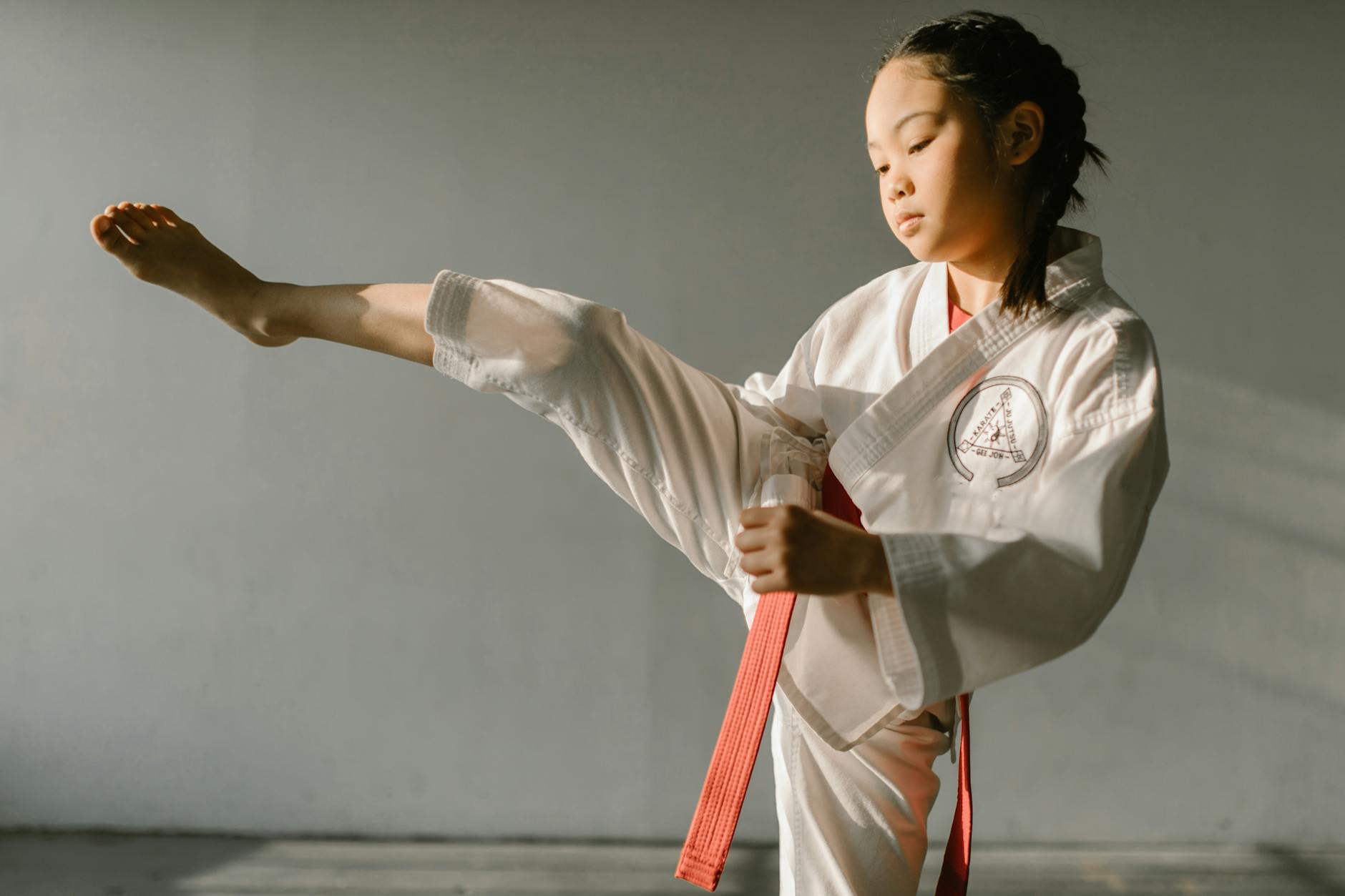
Karate: You see children step onto the mat for martial arts training and something changes. They stand taller, listen closely, and treat their instructor with real respect.
Then you get home and suddenly they are arguing about chores and begging for more screen time. The good habits from karate classes feel like they vanish at the front door.
The secret is to turn simple Life skills into clear house rules. When you bring respect, effort, and focus into daily routines, you cut down on nagging and cultivate a growth mindset, helping your child feel proud and responsible.
Karate already teaches your child proper etiquette with their body and their words, just as instructors emphasize in class. You can use that same language at home so the rules feel familiar from karate training, not random.
Start by saying, “Our house is our family dojo.” Then connect manners to what children already do in class. Instead of long lectures, give short, clear rules that match dojo habits.
In class, kids bow to pause, breathe, and show courtesy. At home, turn that idea into tiny, concrete rules.
You might try:
These habits build social skills through better interactions and boost self-esteem by helping kids feel good about themselves.
Keep it playful. You can say, “Show me your best dojo greeting,” and let them practice their proper stance and eye contact.
Backtalk and yelling clash with black belt training. Set a simple standard: “In this house, we use our black belt voice.” This builds self-control by managing emotional reactions and tone.
Your rules could be:
When your child snaps, stay calm and say, “Try that again with your black belt voice.” It gives them a clear way to reset without a long fight.
Chores can feel like push-ups in karate training. Not always fun, but they provide opportunities for overcoming challenges that build strength, discipline, and pride.
Tell your child, “Chores are your training at home.” You are not handing out punishments; you are giving them chances to grow their skills, earn trust, and build confidence.
Create a belt-style chore chart:
Kids “earn” new levels when they do chores without reminders, tackling harder tasks that build resilience and mental toughness. You can even give a fun stripe on a poster when they move up.
Karate instructors praise effort, not only perfect moves. Do the same with chores.
Use quick phrases like:
Over time, this builds real responsibility and discipline, not just fear of getting in trouble.
On the mat, kids learn to concentrate on one drill at a time. That same self-control can guide screens at home, prioritizing physical fitness alongside homework and practice.
Explain that screens are a tool, not a boss. Your goal is to protect their attention so screen time management helps children achieve their goals while enjoying games, shows, and family time without constant fights.
In class, kids do not text or play while they train. Use that idea: “On the mat, on the task.”
Turn it into rules like:
One task at a time keeps kids calmer, more successful, and helps build problem-solving skills as they balance responsibilities.
Most dojos post their rules on the wall. Do the same with a short “screen code” of simple techniques.
Write it together with your kids, for example:
When kids help write the code, they feel guided, not punished, and it instills long-term discipline.
Martial arts training already teaches your child respect, effort, focus, and confidence. Turning those lessons into simple rules for manners, chores, and screens can cut down on daily battles and build a calmer home.
Pick just one new rule to try this week. With small, steady steps that build perseverance, you are raising kids who act like black belts with self-defense and leadership in the living room, not only on the mat.