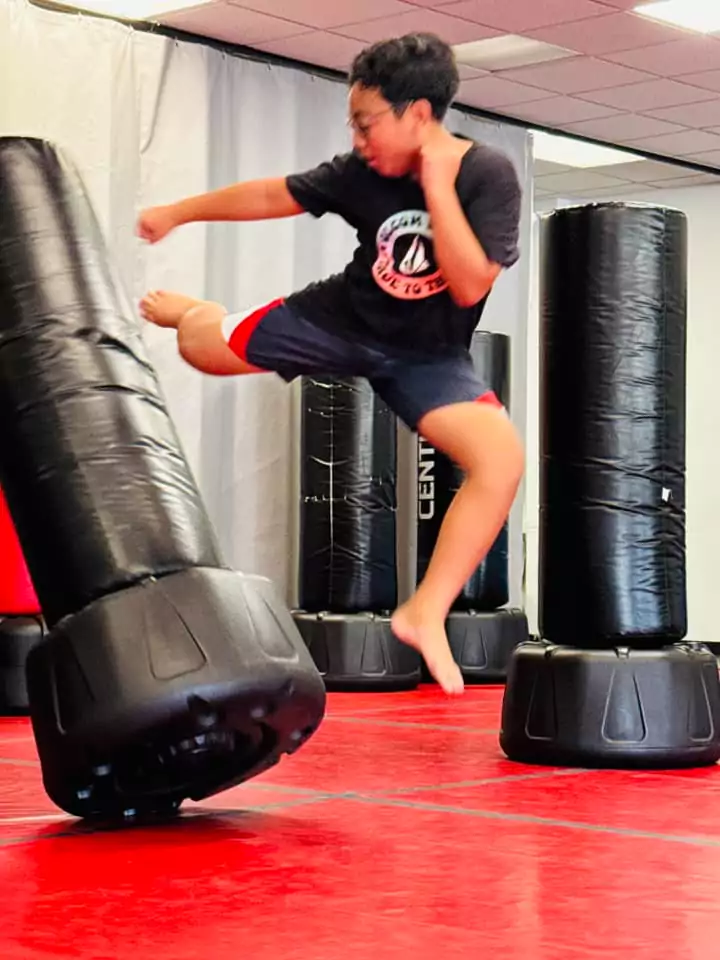
Your child is just moments away from an exciting journey of confidence, discipline, and fun with AmeriKick North Penn’s 30 Days for $30 trial. This unbeatable offer includes a free uniform and a risk-free experience—no commitments, just incredible growth.
Spots are limited and filling fast—complete your checkout now to lock in this exclusive deal before it’s gone!
[Claim Your Spot Now]
Let’s start their martial arts adventure today—no delays, no regrets!
Martial arts build endurance through rigorous training, enhancing both physical and mental resilience. Consistent practice strengthens the body and sharpens focus, ensuring sustained stamina in every challenge.
Self Defense
Martial arts equip individuals with practical techniques and situational awareness to effectively protect themselves. Training fosters confidence, quick reflexes, and the ability to neutralize threats efficiently.
Increase Strength
Martial arts training incorporates dynamic movements, resistance exercises, and bodyweight techniques to build muscle and power. Consistent practice enhances overall strength.
Sign Up to Get Latest Updates
Amerikick North Penn provides martial arts classes to Lansdale, North Penn, North Wales, Skippack, Harleysville and Lower Gwynedd communities